
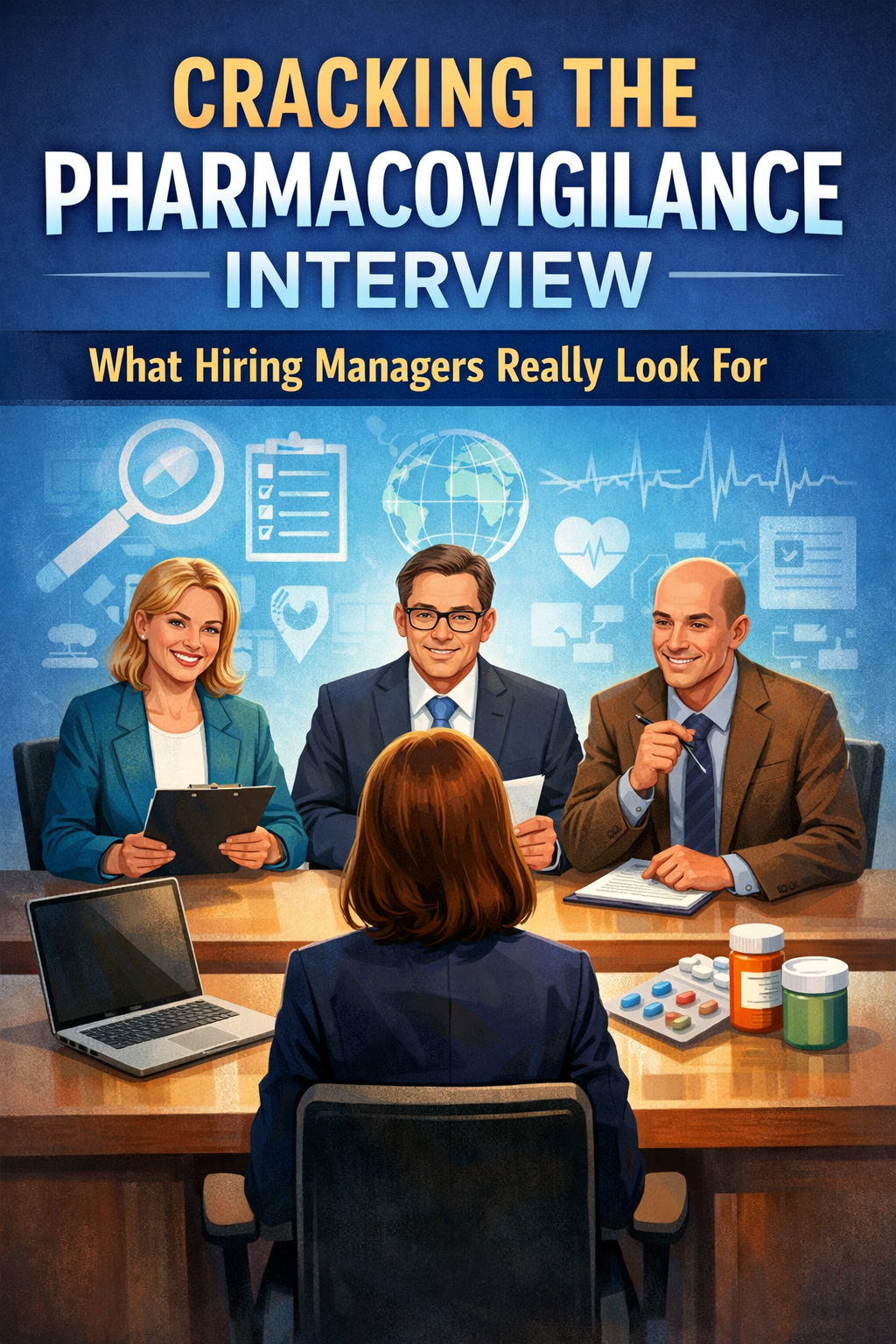
Preparing for an interview in the field of Drug Safety and Pharmacovigilance requires far more than memorizing answers or reviewing common interview questions. This is a highly regulated, patient-centric discipline where employers are not only assessing your technical knowledge but also your mindset, ethical grounding, attention to detail, and ability to function within complex global safety systems.
Whether you are interviewing for a Drug Safety Associate, Case Processor, Safety Scientist, or Medical Reviewer role, intentional preparation can make a decisive difference.
Below are key pillars to invest in before stepping into your interview.
1. Having a Mentor: Your Strategic Advantage
One of the most underestimated yet powerful assets in interview preparation is having a mentor from within the field of Drug Safety.
A mentor helps you go beyond surface-level preparation. They can guide you in researching the company, understanding its product portfolio, therapeutic areas, safety culture, and regulatory exposure (FDA, EMA, MHRA, PMDA, etc.). More importantly, a mentor can help you carefully dissect the job description—not just to understand what the role requires, but why the company is looking for those specific skills.
Mentors who have years of experience in Drug Safety often bring dual perspectives:
- As working professionals, they understand real-world workflows, timelines, metrics, and daily challenges.
- As interviewers or hiring managers, they know what organizations truly look for beyond what is written on paper.
Such mentors can help you:
- Identify the competencies being tested in interviews
- Prepare structured responses using real-life examples
- Anticipate scenario-based and workflow-related questions
- Understand how decisions are made in real safety environments
Since mentors have firsthand experience with case processing, triage, follow-up, narrative writing, MedDRA coding, reporting timelines, signal detection, and inspections, they can prepare you for practical and sometimes difficult interview questions that cannot be answered through textbooks alone.
In short, a mentor helps convert knowledge into interview-ready insight.
2. No FAQs – Stress on the BASICS
A quick Google search will give you hundreds of “Frequently Asked Pharmacovigilance Interview Questions.” While tempting, relying solely on these FAQs is strongly discouraged.
Pharmacovigilance is a discipline rooted in fundamentals. Interviewers are increasingly moving away from rote questions and instead focusing on how well candidates understand the process, logic, and regulatory intent behind safety operations.
Returning to fundamentals and understanding why processes exist will take you much farther—not only in interviews, but also in building a sustainable career in Pharmacovigilance.
3. Confidence: The Final Differentiator
No matter how thoroughly you prepare, how many notes you revise, or how many mock interviews you conduct, confidence is what ultimately carries you through on interview day.
Confidence does not mean knowing everything. It means:
- Trusting your preparation
- Communicating clearly and honestly
- Demonstrating composure under pressure
- Owning both your strengths and learning areas
Pharmacovigilance values professionals who are thoughtful, ethical, and reliable, not just technically proficient.
Interviewers pay close attention to:
- How you explain your thought process
- How you respond when you don’t know an answer
- Your body language and tone
- Your professionalism and integrity
A confident demeanor builds trust, and trust is essential in a field responsible for safeguarding patients worldwide.
Appear confident. Speak with clarity. Be honest. Be grounded. When confidence aligns with competence, you leave a lasting impression.
Final Thoughts
Interview preparation for a career in Drug Safety and Pharmacovigilance is not about shortcuts or rehearsed answers. It is about understanding the science, respecting the regulations, appreciating the responsibility of the role, and presenting yourself as a reliable future safety professional.
With the right mentorship, a strong grasp of fundamentals, and unwavering confidence, you position yourself not just to clear the interview—but to thrive in the role.
Patient safety starts with prepared professionals.
No Comments